A collaboration with living systems
Fermentation asks cooks to create conditions rather than control every outcome. Salt, temperature, time, and cleanliness guide the process, while bacteria and yeast perform the transformation.
This can feel unfamiliar in kitchens built around speed and precision. The reward is flavor with depth that cannot be added in a final seasoning step.
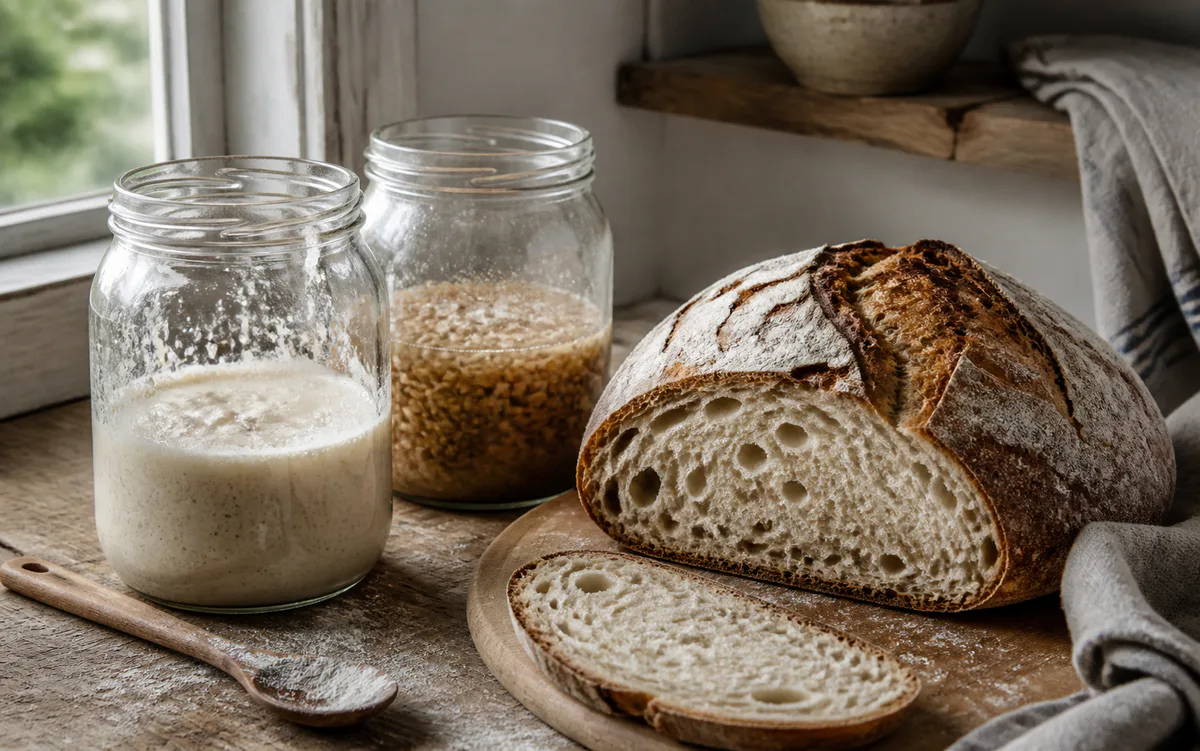
Why glass jars returned to the counter
Small-batch fermentation fits contemporary home cooking because it requires little equipment and makes change visible. Bubbles, aroma, and texture provide a daily record of the process.
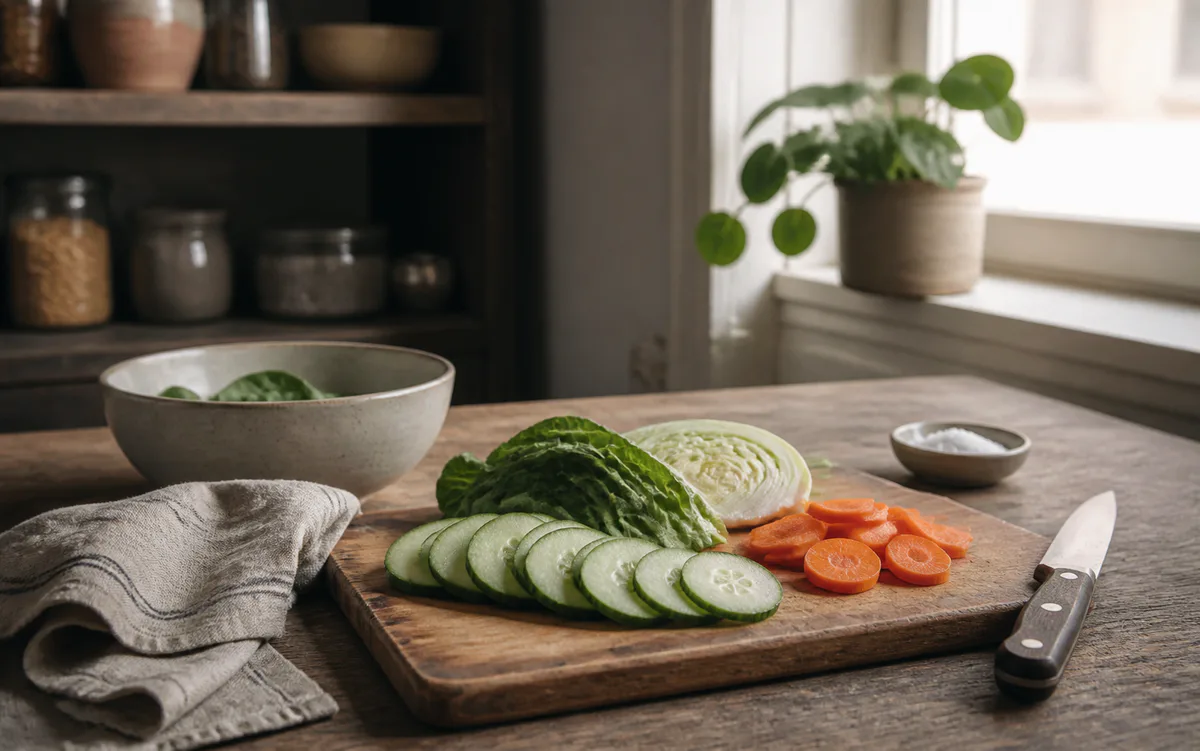
The practice also connects waste reduction with pleasure. Excess cabbage, fruit, or grain can become something more complex instead of being discarded.
Patience with boundaries
Not every experiment succeeds, and safe methods matter. Reliable ratios, clean containers, and trusted guidance should come before improvisation.
Within those boundaries, fermentation offers a useful lesson: time is not merely a delay in cooking. Sometimes it is the ingredient doing the most work.