Why distance improves the signal
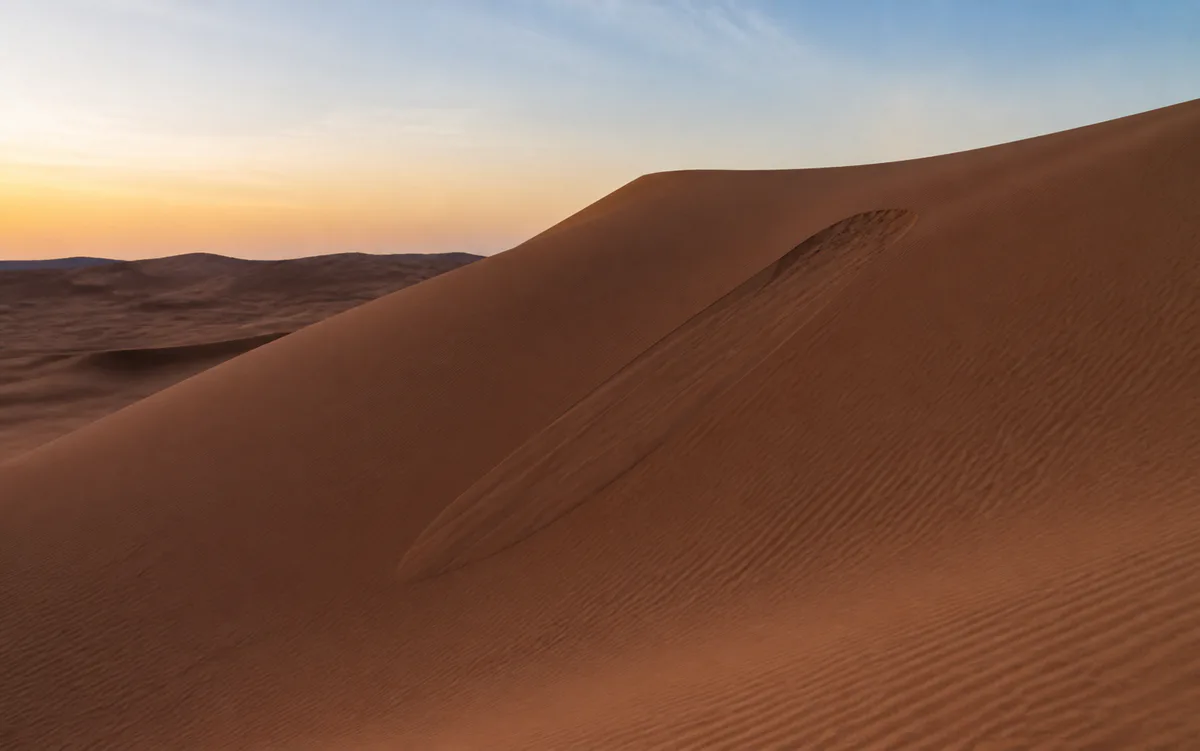
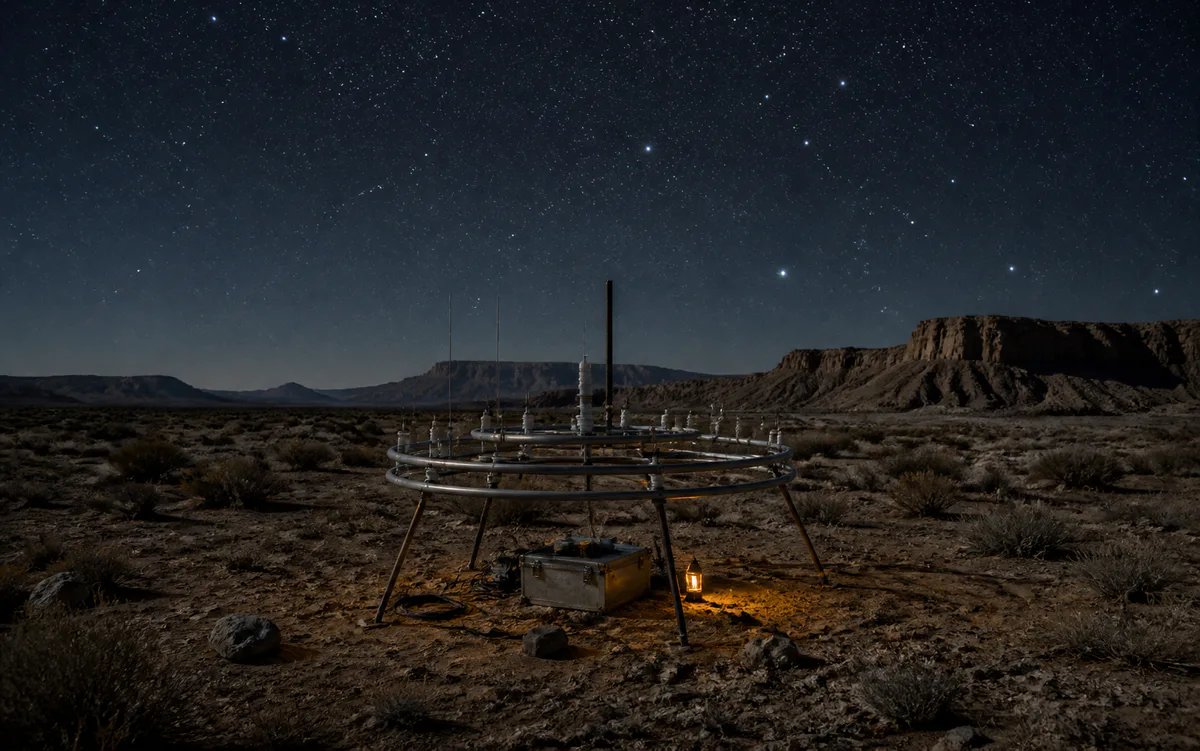
Cities produce light, radio interference, vibration, and heat. Each can obscure the faint information arriving from deep space. A remote desert removes layers of human noise.
Dry air also matters. Less atmospheric moisture allows certain wavelengths to reach instruments more clearly, making high plateaus especially valuable.
Machines that wait
Observatories are monuments to patience. Their dishes and mirrors may track a target for hours, combining weak measurements until a usable pattern emerges.
The work depends on precision, but also on accepting uncertainty. Many observations end without a dramatic discovery and still improve the next question.
A landscape shared with science
Remote facilities are not built in empty worlds. Indigenous histories, fragile ecosystems, and nearby communities shape how scientific sites should be planned and governed.
The clearest view of the universe therefore requires more than a dark sky. It requires long-term care for the land that makes observation possible.